The Cutting-Edge Technologies Transforming Sardine Run Studies
The Sardine Run has been considered one of the ocean’s biggest mysteries. However, the advancement of technology and the creation of new and innovative tools seek to change that.
Audio-video devices like BaBel and genetic sampling technologies such as eDNA are helping to revolutionize the study of the Sardine Run.

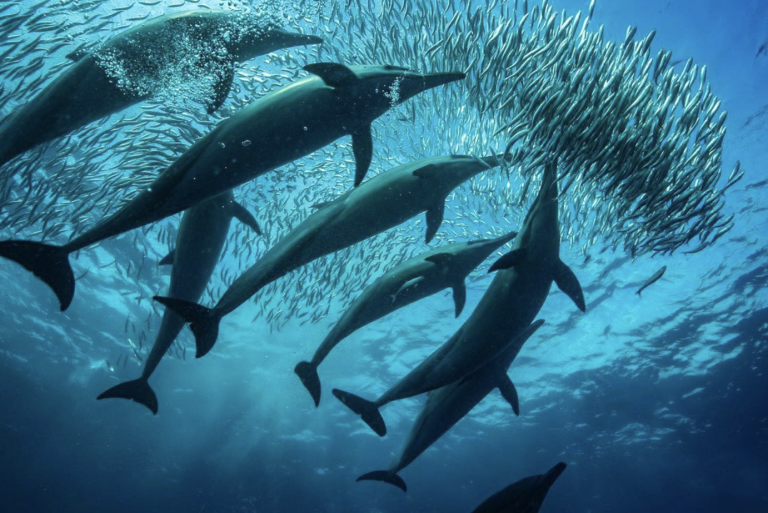
The annual Sardine Run found along the coast of South Africa is one of the most spectacular events in the marine world. This natural phenomenon attracts not only marine predators but also marine enthusiasts to scientists who seek to witness and study this complex system. Several technologies have been created to assist in the study of the Sardine Run, providing new insights and knowledge.
BaBel
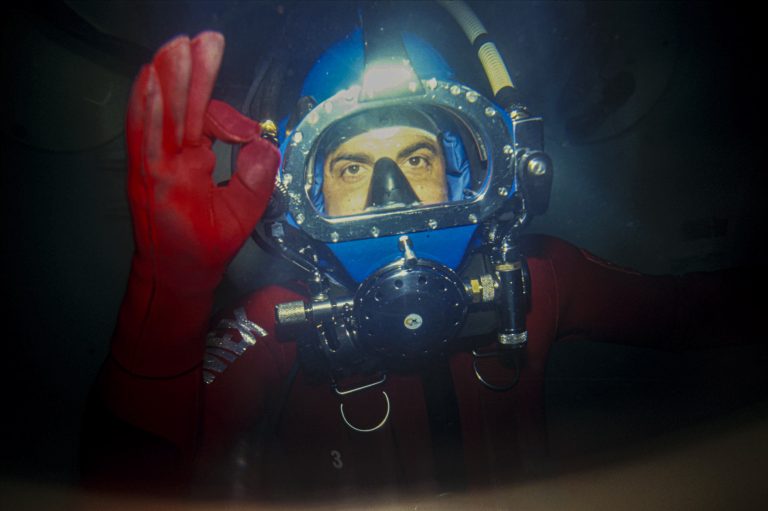
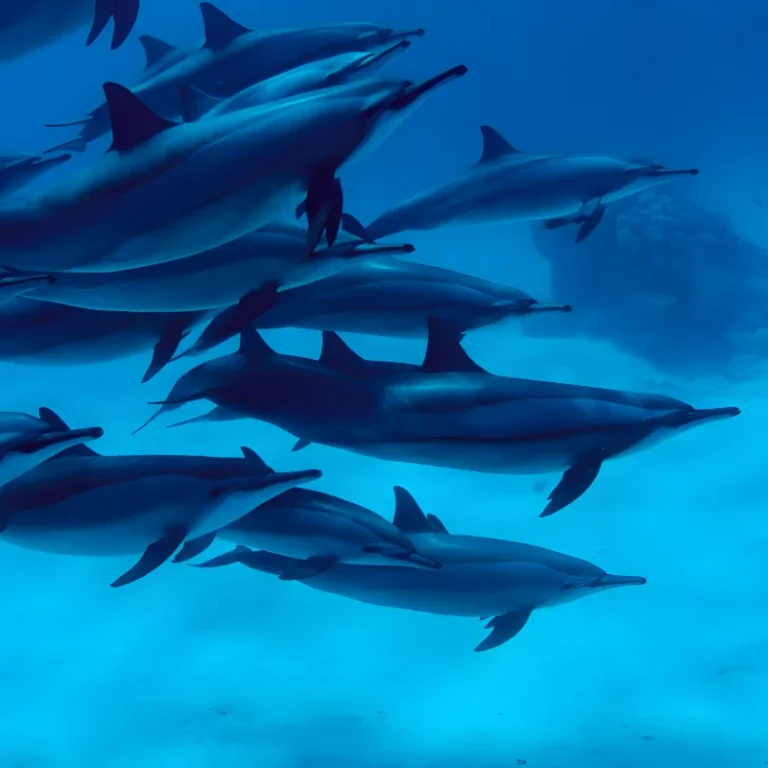
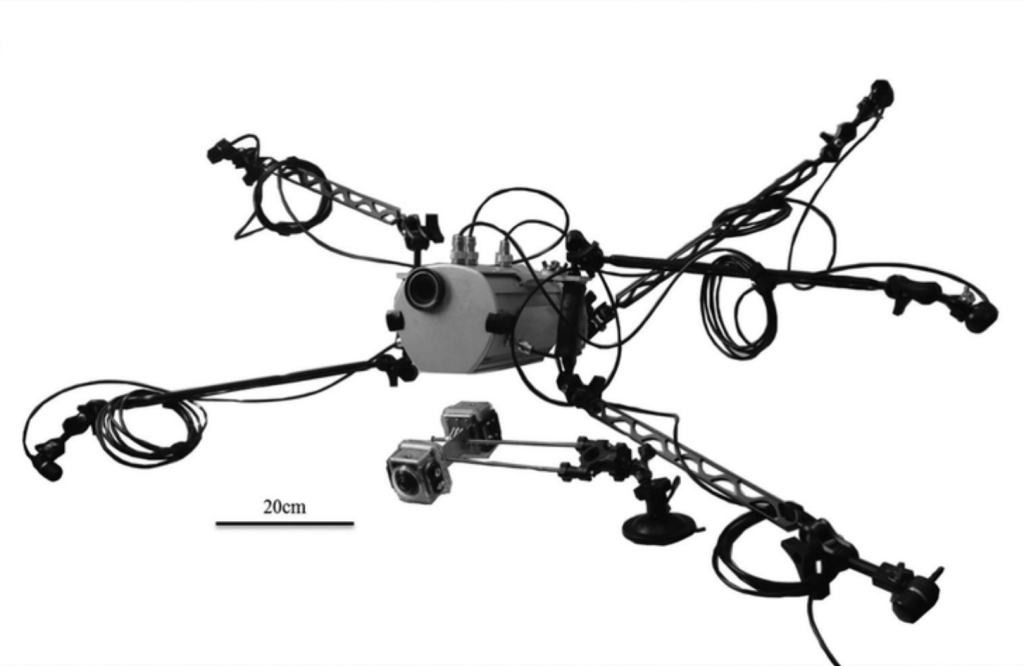
One such technology is BaBel (BioAcoustique, Bien Être et Langage), a high-definition audio-visual device that can capture a 360° field of vision via two wide-angle video cameras, and five hydrophones that allows for the simultaneous audio and video recordings of dolphin sounds coming from any direction. With hundreds of dolphins hunting for sardines in the Sardine Run every year, scientists need only to follow their lead to find the sardines. BaBel allows for detecting and capturing the dolphins’ clicks and whistles that can not be heard by humans.
eDNA
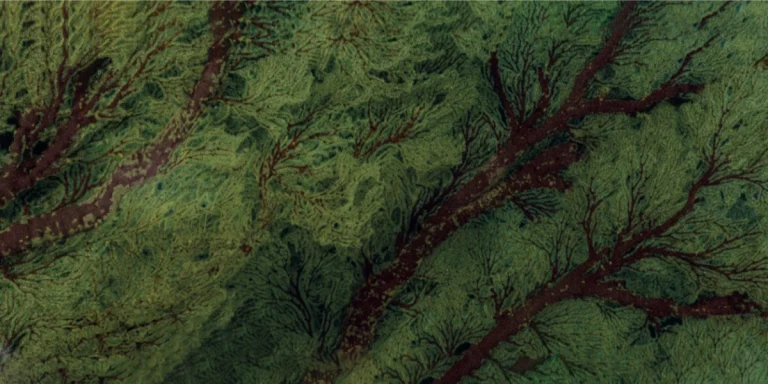
Another tool is the analysis of environmental DNA (eDNA) that has recently emerged to monitor aquatic biodiversity, including sardines. This is done by collecting trace samples of DNA that were shed into the water by underwater animals and analyzing the genetic material that allows the researchers to identify the species. eDNA analysis complements traditional analytical methods and provides valuable insights to the patterns and dynamics of the Sardine Run.
The integration of cutting-edge technologies into the study of the Sardine Run has allowed scientists to revolutionize understandings of the phenomenon. From BaBel to eDNA, these innovative tools allow researchers to explore the oceans depth with unprecedented detail and accuracy. Scientists can continue to unravel the mystery of the Sardine Run.
References
Lopez-Marulanda, J., Adam, O., Blanchard, T., Vallee, M., Cazau, D., & Delfour, F. (2017). First results of an underwater 360° HD audio-video device for etho-acoustical studies on bottlenose dolphins (Tursiops truncatus). Aquatic Mammals Journal, NFP, 162-176.
Thomsen, P. F., Kelgast, J., & Lars Lonsmann Iversen, E. W. (2011). Monitoring endangered freshwater biodiversity using environmental DNA. PubMed.